Speed limits in NSW change with the road, the time of day and even your licence type. Knowing the defaults, and the special zones where the limit drops, helps you avoid fines and demerit points and keeps you safe. Here's what every driver in Sydney needs to know.
Default speed limits
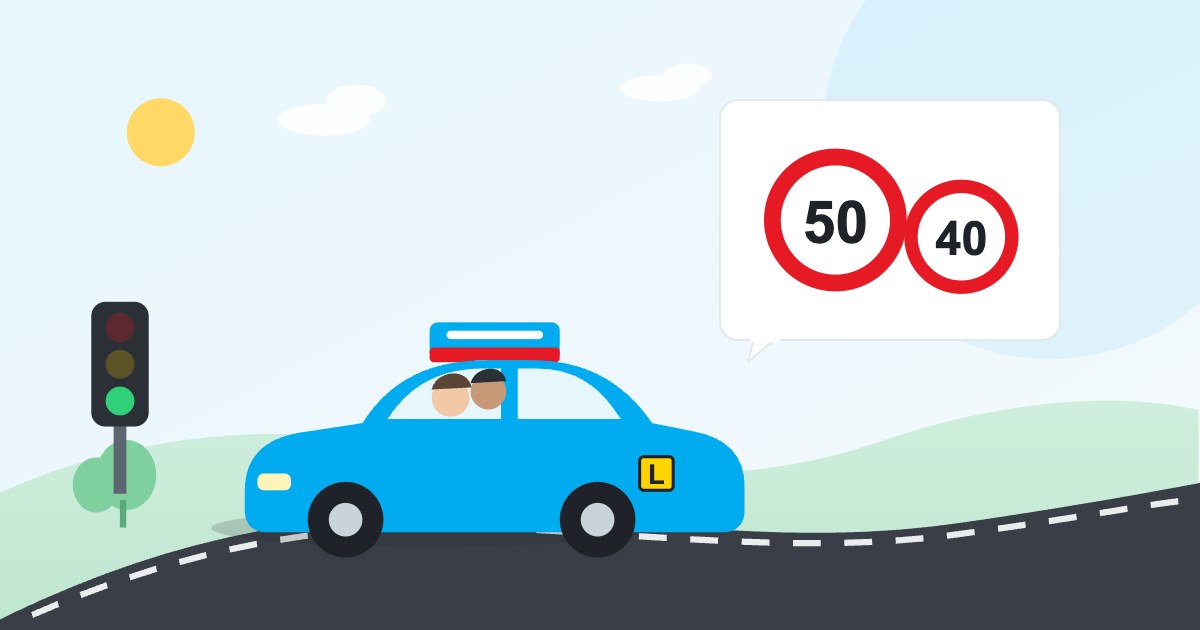
If there's no speed limit sign, a default limit applies:
- 50 km/h in built-up areas. A built-up area is one with street lights or buildings next to the road less than 100 metres apart.
- 100 km/h on all other roads.
Where a sign shows a different limit, the sign applies. The highest speed limit on NSW roads is 110 km/h, on some motorways and highways.
School zones
School zones are 40 km/h on school days. Most operate from 8am to 9.30am and from 2.30pm to 4pm, but some have different times, which are shown on the sign. School zones apply on pupil-free days, but not on weekends, public holidays or during school holidays. Penalties for speeding in a school zone are higher.
Other lower-speed areas
- Shared zones: 10 km/h. Pedestrians can use the whole road, and you must give way to them.
- Local traffic areas: 40 km/h, on some local streets.
- High pedestrian activity areas: 30 km/h or 40 km/h, such as busy CBD streets and suburban shopping strips.
- Variable speed limits: electronic signs in tunnels, on motorways and on bridges can lower the limit for traffic or conditions. The limit shown on the sign is the one you must follow.
Slowing down for emergency and breakdown vehicles
When you pass a stationary emergency vehicle with flashing blue or red lights, or a tow truck or breakdown assistance vehicle with flashing yellow lights, you must slow down to 40 km/h on roads with a speed limit of 80 km/h or less. On roads with a limit of 90 km/h or more, you must slow down to a speed that's safe for the situation, give the vehicle plenty of space and move over a lane if it's safe. The rule doesn't apply if the vehicle is on the other side of a road divided by a median strip.
Speed limits for learner and P-plate drivers
Your licence type sets a maximum speed, even on roads with a higher limit:
- Learner drivers: 90 km/h
- P1 (red P) drivers: 90 km/h
- P2 (green P) drivers: 100 km/h
Learner and P1 drivers go over their demerit point limit with any speeding offence, so a single offence means losing your licence. Read our guide to L and P plate restrictions in NSW for the full rules.
Penalties for speeding
Speeding can mean a fine, demerit points, a licence suspension and, for the most serious offences, losing your vehicle or number plates. Penalties increase the further you are over the limit, and double demerit points apply during holiday periods. Police can suspend your licence on the spot if you're caught driving more than 30 km/h over the limit.
Speed limits in other states
Most Australian states and territories use similar limits, with a maximum of 110 km/h on their fastest roads. The exception is the Northern Territory, where parts of some major highways are zoned 130 km/h. Always follow the signs, and remember that your L or P conditions still apply when you drive interstate.
Frequently asked questions
What is the default speed limit in NSW?
If there's no sign, the limit is 50 km/h in built-up areas and 100 km/h on all other roads.
What are the school zone times in NSW?
School zones are 40 km/h on school days, including pupil-free days. Most operate from 8am to 9.30am and 2.30pm to 4pm, but some have different times shown on the sign.
Do you have to slow down for tow trucks in NSW?
Yes. On roads with a limit of 80 km/h or less, you must slow to 40 km/h when passing a stationary tow truck, breakdown assistance vehicle or emergency vehicle with flashing lights.
The speed limit is a maximum, not a target
Speed limits are set for good conditions. In rain, at night, in heavy traffic or around pedestrians, drive at a speed that lets you stop safely within the distance you can see. Our instructors each hold a NSW driving instructor licence and will help you build the habit of reading the road and adjusting your speed early.
If you're under 25, each hour with a licensed NSW driving instructor counts as 3 hours in your log book, for up to 10 hours of lessons. That's up to 20 bonus hours.
See our driving lesson prices, or if you've moved to Sydney from overseas, read can I take driving lessons in NSW with an overseas licence?